
Top End Tidal CO2 Monitors for Accurate Monitoring
Reliable carbon dioxide monitoring has become central to safer anesthesia, sedation, emergency care, and mechanical ventilation. An end tidal co2 monitor measures carbon dioxide at the end of exhalation, offering a near real-time view of ventilation. Unlike pulse oximetry, it can reveal hypoventilation before oxygen saturation falls. That time difference matters beside a quiet recovery-room bed.
The American Society of Anesthesiologists recommends continual exhaled carbon dioxide monitoring during moderate and deep sedation, except when specific circumstances make it impractical. The American Association for Respiratory Care also supports capnography for assessing ventilation and confirming airway-device placement. These recommendations reflect clinical experience, not simply marketing claims. The FDA’s device database further shows why users should check labeling, intended use, alarms, and maintenance requirements before purchase. Numbers on a product page are not enough.
This guide compares top end tidal CO2 monitors through accuracy, response time, waveform visibility, portability, alarm design, and sensor reliability. It also considers bedside realities, such as condensation in sampling lines, motion during transport, and low-flow breathing. Small details matter. A clear waveform can help a clinician distinguish obstruction from disconnection. A weak alarm can create dangerous hesitation.
No device is perfect. Sampling errors, poor mask fit, and delayed clinical response can still affect interpretation. That limitation deserves attention. The strongest choice combines validated performance, recognized clinical guidance, straightforward training, and dependable technical support. This approach helps clinicians select an end tidal co2 monitor that supports informed decisions rather than replacing professional judgment.
What End-Tidal CO2 Monitoring Measures
Top End Tidal CO2 Monitors for Accurate Monitoring
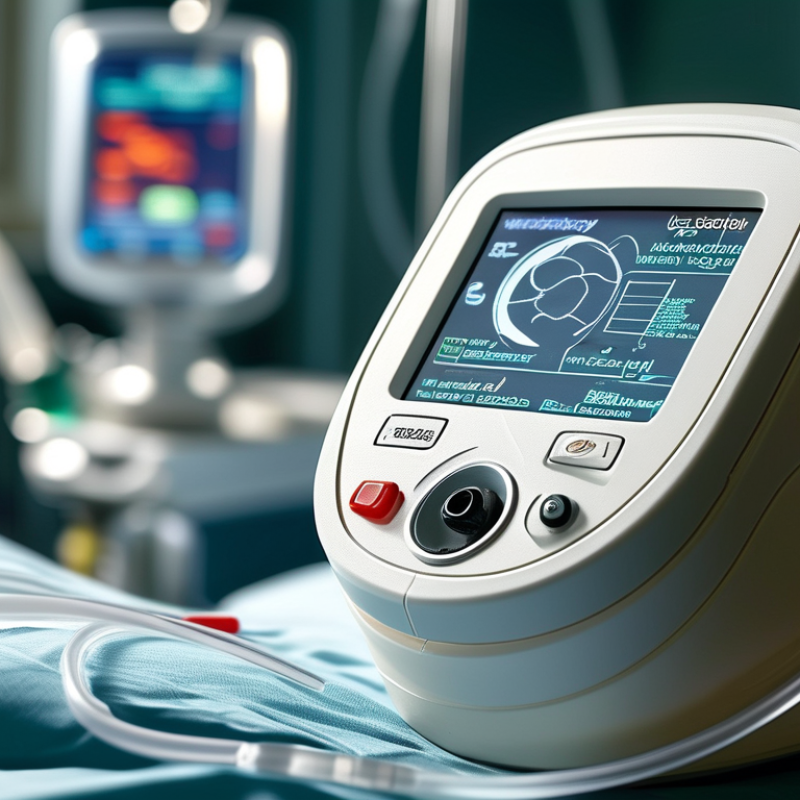
End-tidal CO2 monitoring measures the concentration of carbon dioxide in exhaled air. The reading appears at the end of each breath, when alveolar gas reaches the airway sensor. This value, called EtCO2, offers a real-time view of ventilation. It does not directly measure blood oxygen levels.
A typical monitor displays both a number and a capnogram waveform. The number shows approximate CO2 output, usually in mmHg or kPa. The waveform reveals whether exhalation is smooth, obstructed, or interrupted. A sudden drop may indicate disconnection, poor mask placement, reduced circulation, or a breathing pause. A rising value can suggest inadequate ventilation, especially when breaths become shallow.
The measurement is useful during sedation, anesthesia, emergency care, and ventilator use. However, EtCO2 is not a standalone diagnosis. Lung disease, low blood flow, leaks, and faulty sampling lines can distort the result. Small details matter. A loose nasal cannula may produce a surprisingly reassuring number.
Reliable monitoring requires checking the waveform, sampling site, and device calibration. Clinicians should compare EtCO2 with respiratory rate, oxygen saturation, skin color, and patient movement. Oxygen saturation may remain normal while ventilation worsens, particularly when supplemental oxygen is provided. That can create false confidence. I think this is where practice becomes imperfect: the monitor speaks clearly, but only within the limits of its placement and the patient’s condition.
Top End Tidal CO2 Monitors for Accurate Monitoring - What End-Tidal CO2 Monitoring Measures
| Measurement or Monitor Dimension | What It Measures | Typical Reference or Technical Detail | Clinical Use | Important Limitation |
|---|---|---|---|---|
| End-tidal CO2 value | The highest CO2 concentration at the end of exhalation, representing alveolar gas when the breath is adequately sampled. | Common adult reference range: approximately 35–45 mmHg, or 4.7–6.0 kPa. | Assesses ventilation and helps identify hypoventilation or hyperventilation. | The value may not accurately reflect arterial CO2 when ventilation–perfusion mismatch, low cardiac output, or major lung disease is present. |
| Capnogram waveform | Displays CO2 concentration continuously throughout inspiration and expiration. | A normal waveform generally includes a near-zero inspiratory baseline, an expiratory upstroke, an alveolar plateau, and a rapid inspiratory downstroke. | Detects airway obstruction, rebreathing, apnea, disconnection, and changes in ventilation. | Waveform interpretation requires clinical training and should be correlated with the patient and equipment setup. |
| Respiratory rate | Breaths per minute calculated from repeated CO2 waveforms. | Reported as breaths/min; accuracy depends on consistent detection of complete respiratory cycles. | Provides continuous trending of respiratory frequency during sedation, anesthesia, ventilation, or transport. | Cardiac oscillations, movement, leaks, or shallow breaths can cause inaccurate rate detection. |
| Mainstream measurement | Measures CO2 directly in the airway using a sensor positioned near the patient connection. | Provides minimal sampling delay and is commonly used with secured airway circuits. | Useful when rapid waveform changes are important, including controlled ventilation. | The airway sensor can add weight, dead space, and bulk; moisture or secretions may interfere with measurement. |
| Sidestream measurement | Draws a small gas sample through a sampling line to a remote CO2 analyzer. | Sampling introduces transport delay; performance depends on sampling flow, line length, and moisture management. | Supports monitoring through nasal or oral sampling interfaces and in less invasive settings. | Leaks, low tidal volume, oxygen flow, condensation, and an improperly positioned sampling line can reduce accuracy. |
| CO2 trend | Shows the direction and rate of change in exhaled CO2 over time. | Trend data are interpreted alongside absolute values and waveform quality. | Helps identify gradual hypoventilation, improving ventilation, or deterioration before a single spot value becomes markedly abnormal. | A stable trend does not exclude poor sampling or a clinically important change in arterial CO2. |
| Alarm functions | Alerts for configured high or low CO2, apnea, respiratory rate changes, disconnection, or sampling problems. | Alarm limits should be individualized according to the patient and care setting. | Provides an early warning of apnea, hypoventilation, airway problems, or equipment failure. | Incorrect limits, alarm fatigue, or poor sensor placement can lead to missed events or unnecessary alerts. |
| Calibration and verification | Checks whether the analyzer produces reliable CO2 readings across its operating range. | Follow the monitor’s instructions for calibration, pre-use checks, filter replacement, and sampling-line maintenance. | Maintains measurement reliability during repeated or prolonged monitoring. | A monitor can display a number even when the sampling path is obstructed, leaking, contaminated, or incorrectly connected. |
Related Posts
-
2026 Top Vital Sign Machine Trends and Innovations to Watch?
-

Best Remote Patient Monitoring Software for Global Buyers?
-
What is a Finger Oximeter and How Does It Work?
-
2026 Top Hospital Monitor Buying Guide for Global Buyers?
-
10 Essential Tips for Accurate Blood Pressure Measurement You Should Know?
-
Top 10 Remote Patient Monitoring Solutions for Global Buyers