7 Best Vitals Machine Suppliers for Global Buyers?
Choosing the right vitals machine supplier can shape patient safety, workflow efficiency, and long-term medical costs. Global buyers need more than attractive prices. They need dependable equipment, clear documentation, responsive support, and realistic delivery commitments.
This guide examines seven leading suppliers for hospitals, clinics, distributors, and home-care providers. It considers product accuracy, measurement range, usability, software compatibility, warranty coverage, and after-sales service. A reliable machine should measure blood pressure, pulse rate, oxygen saturation, and temperature consistently in busy clinical settings. Small details matter. A bright display helps in dim wards. Durable cuffs reduce replacement costs. Simple controls support faster training.
Supplier evaluation also requires practical verification. Buyers should review quality certifications, calibration procedures, shipping experience, and local service availability. Standards and registration requirements differ across markets, so a supplier trusted in one country may not fit another. That point is easy to overlook. Product brochures can sound convincing, but real performance depends on maintenance, operator training, and timely technical support.
The seven suppliers discussed here represent different strengths, including broad distribution networks, specialized monitoring technology, competitive pricing, and customized solutions. However, “best” is never universal. A small clinic may value portability, while a large hospital may prioritize integration and fleet management. This overview offers a careful starting point, not a substitute for product testing or professional procurement review. Some information may change as suppliers update models, certifications, and service policies. Credible decisions require current evidence.
What Is a Vitals Machine and Why Does Supplier Selection Matter?
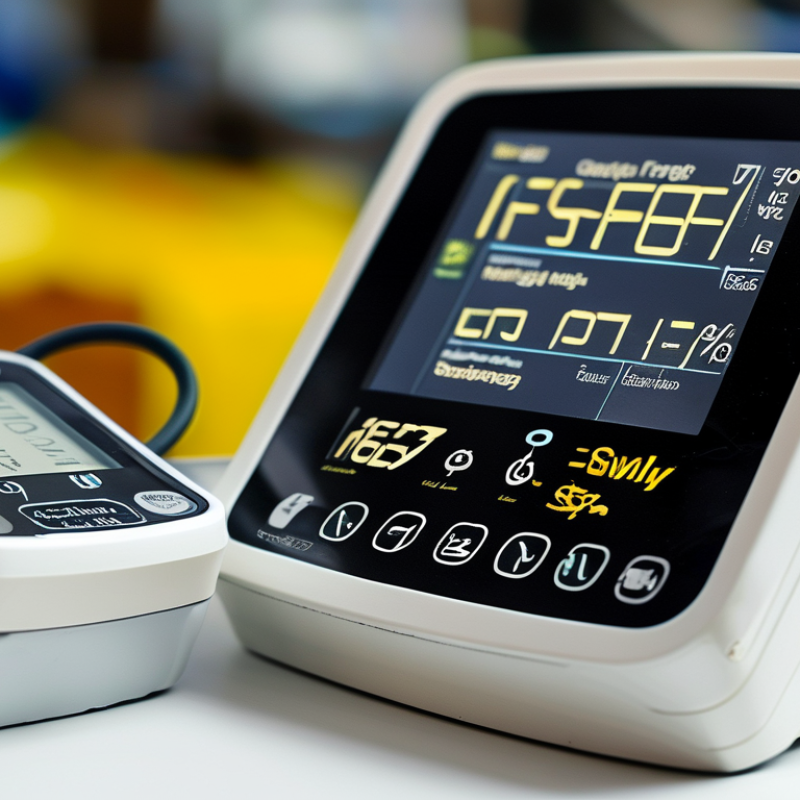
A vitals machine measures essential signs such as blood pressure, pulse rate, temperature, respiration, and oxygen saturation. In a busy clinic, one device may serve dozens of patients daily. Its screen should remain readable under harsh lighting. Its probe cables should survive repeated cleaning. Small details matter.
Supplier selection matters because inaccurate readings can delay treatment. The World Health Organization reported that about 1.28 billion adults aged 30–79 had hypertension in 2023. Reliable blood pressure monitoring is therefore not a minor purchasing issue. Buyers should examine validation records, calibration procedures, and service response times. Compliance with IEC 60601-1 and ISO 80601-2-49 can indicate disciplined product development, but certificates alone prove little. Ask for test reports and traceable calibration evidence. Also check whether the supplier follows ISO 13485 quality-management practices. These documents should match the exact model, not a similar product.
Look beyond the purchase price. A replacement sensor, software update, or delayed repair can interrupt clinical work. The World Health Organization’s Global Patient Safety Action Plan emphasizes safer care through dependable systems. A supplier should provide training, spare parts, clear warranty terms, and secure data handling. I would also request sample units for hands-on testing. A low quote may look efficient. It may not be. Even experienced buyers can overvalue specifications and undervalue support. Supplier selection needs both technical review and practical skepticism.
How to Evaluate Vitals Machine Suppliers for International Purchasing
Evaluating vitals machine suppliers requires more than comparing online prices. A polished website proves little. International buyers should request company registration, quality certificates, product specifications, and recent export references. Check whether the supplier follows a recognized medical-device quality system, such as ISO 13485. Confirm that its products meet the destination market’s regulatory requirements. Certificates must match the exact model, not a similar product.
Ask for a sample unit before placing a large order. Test blood pressure accuracy, pulse readings, alarm settings, screen visibility, and battery performance. Use a calibrated reference device during testing. Review the user manual carefully. It should explain cleaning, maintenance, error codes, and safe operation. Supplier responses also matter. Slow, vague answers may reveal weak technical support. They may also reflect language barriers, so allow reasonable clarification time.
A mistake worth admitting: buyers sometimes focus too heavily on unit cost. That can hide expensive replacement sensors, software limits, or difficult repairs. Request a complete quotation, including packaging, spare parts, training, warranty coverage, shipping terms, and import documents. Ask how quickly common components can be supplied. Speak with at least two previous international customers, if possible. Their experience may reveal problems that certificates cannot show. Still, references are not perfect evidence. Combine them with factory video audits, traceability records, and a small trial shipment before committing to repeated purchases.
Key Features, Certifications, and Services to Compare
Choosing among seven vitals machine suppliers requires more than comparing prices.
Buyers should examine measurement accuracy, screen readability, battery endurance, alarm controls, and cuff sizes. A reliable device should monitor blood pressure, pulse rate, temperature, and oxygen saturation consistently. Some models also support wireless data transfer and electronic health records.
Certifications deserve careful verification.
Look for ISO 13485 quality management certification and ISO 9001 where appropriate. Market-specific approvals may include CE marking or authorization from the relevant national regulator. Certificates should match the exact model, factory, and production site. Check expiry dates. Do not rely only on supplier brochures.
Service quality often separates a dependable supplier from a temporary seller.
Ask about calibration procedures, user training, warranty coverage, spare parts, software updates, and response times. Remote technical support can help, but local repair capacity is better. I have seen buyers overvalue advanced connectivity while ignoring replacement sensors. That mistake becomes expensive. A clear service agreement should define delivery schedules, installation support, maintenance intervals, and return procedures. Suppliers should provide test reports and traceable documentation for every shipment. No checklist is perfect. Actual user feedback may reveal problems that laboratory specifications miss.
How to Choose the Best Supplier for Your Market and Budget
7 Best Vitals Machine Suppliers for Global Buyers?
Choosing among seven potential vitals machine suppliers requires more than comparing prices. WHO’s Global Atlas of Medical Devices reports over two million medical device types worldwide. Requirements therefore vary widely by market, hospital size, and clinical use. Check whether the supplier supports local registration, electrical standards, language settings, and reliable after-sales service.
Ask for evidence of an ISO 13485 quality system, device testing, calibration procedures, and traceable production records. For multifunction monitors, review compliance with IEC 80601-2-49. Pulse oximetry products may require IEC 80601-2-61. Blood pressure functions involve IEC 80601-2-30. These details matter. A certificate alone does not prove consistent field performance.
Build a total-cost model before selecting a supplier. Include freight, installation, sensors, batteries, software updates, training, maintenance, and warranty response times. A low quotation can become expensive when replacement probes arrive slowly. I would also request three regional customer references and a sample service report. No scorecard is perfect. Procurement teams sometimes overvalue specifications and undervalue repair access. The better supplier is usually the one that explains limitations clearly, offers realistic delivery dates, and adapts documentation to your market. Grand View Research’s patient monitoring market analysis indicates continued global growth, but demand does not guarantee suitable local support. Test usability with real staff before placing a large order.