Choosing the right Orthodontic Adhesive System is crucial in dental practices. Dr. Emily Rogers, a leading expert in orthodontics, emphasizes, “The right adhesive can change treatment outcomes significantly.” This highlights the importance of making informed decisions.
The landscape of orthodontic adhesives is complex. Each system has unique features that may impact efficiency, bonding strength, and patient comfort. A well-chosen adhesive can enhance the overall orthodontic experience. However, the variety also leads to confusion among practitioners. Are all products equally effective?
An ideal Orthodontic Adhesive System should prioritize both performance and safety. There are numerous options, but not all come with reliable data supporting their claims. Practitioners must evaluate how specific adhesives perform under different conditions. Some adhesives might weaken over time. Inconsistent results are a common concern. It's essential to choose wisely for long-term success.
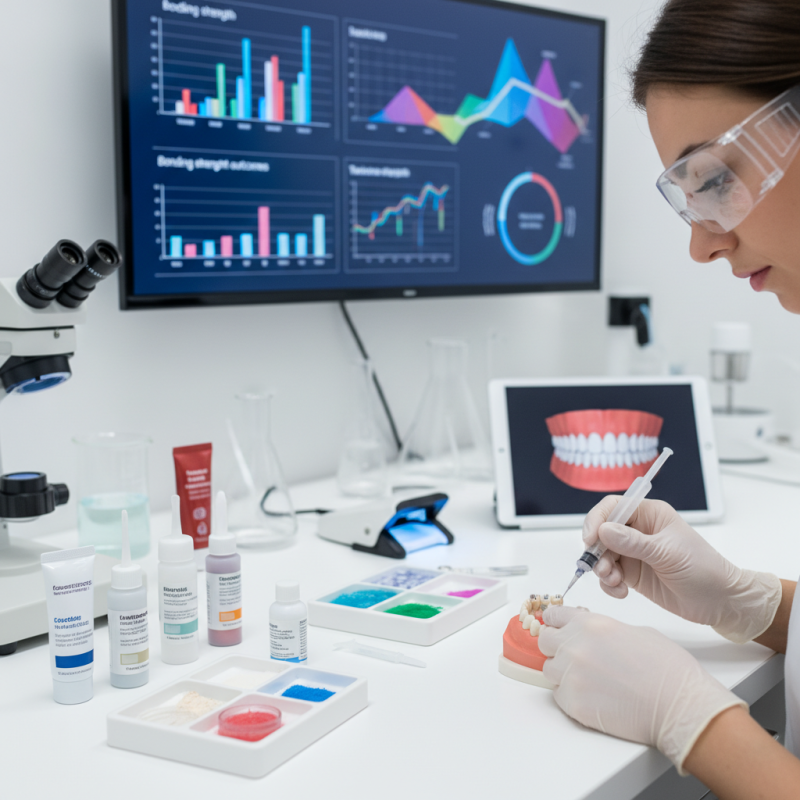
When choosing an orthodontic adhesive system, understanding the available types is key. There are several systems, including light-cured and self-cured options. Light-cured adhesives require a specific wavelength of light to set. They tend to provide a strong bond and are easy to control during application. On the other hand, self-cured adhesives begin to set on their own. They are often preferred for their simplicity and speed.
Choosing the right adhesive is crucial. Consider the type of brackets you will use. For ceramic brackets, you might need a specific adhesive that minimizes bonding failures. Not every adhesive is compatible with all materials. This can lead to poor outcomes. Always check compatibility with both the bracket and the tooth surface.
Tips:
Test a few adhesives to see what works best for your practice. Pay attention to how easy the application is. Some adhesives can be messy. Also, remember that environmental factors can affect bond strength. Humidity and temperature may influence curing times. Always be ready to adjust your approach if necessary.
When selecting an orthodontic adhesive system, several critical factors come into play. The setting time is essential. An adhesive that sets too quickly may not allow enough adjustment before curing. On the other hand, a slow-setting adhesive might delay the entire process. Striking a balance is vital.
Another factor to consider is the bond strength. A strong bond is crucial for stability. However, overly strong adhesives can be challenging to remove if adjustments are needed. This could lead to damage to enamel or other dental materials. Testing different bond strengths can help find the right level.
Lastly, the ease of use during application matters. An adhesive that is difficult to apply can lead to frustrations. This might result in errors that affect treatment goals. It's wise to consider user feedback on application experiences. Reflecting on these elements can lead to better choices in adhesive systems.
When considering orthodontic adhesives, it's essential to analyze the options available. Different brands offer various formulas. The variations can affect bonding strength, ease of application, and the potential for debonding. Some adhesives work better in humid environments, while others may demonstrate excellent performance in dry conditions.
Each adhesive has its pros and cons. For example, some ensure a strong bond but are difficult to remove. Others promise a quick application but may not provide durability. It's crucial to weigh these aspects carefully. Practitioners often share mixed experiences with specific products. Keeping an open mind can lead to better outcomes.
Choosing the right adhesive can influence long-term treatment success. Factors like patient comfort and procedural efficiency cannot be ignored. Solving minor issues in bonding can prevent major setbacks later. Adopting a reflective approach when reviewing performance is vital. Each experience adds to understanding adhesive behavior in clinical settings.
When evaluating orthodontic adhesive systems, performance and durability stand out. A recent survey indicated that a significant 40% of orthodontists reported complications related to adhesion failures. Such issues can lead to patient dissatisfaction and extended treatment times. The best adhesive systems must balance strength and ease of removal.
Laboratory studies have shown that adhesives with superior bonding strength maintain their integrity for longer periods. The average adhesion strength in high-quality systems can exceed 20 MPa, significantly reducing debonding risks. However, not all systems perform equally well under different conditions, which raises concerns for practitioners. When subjected to thermal cycling tests, some adhesives showed a notable decline in bond strength after repeated temperature fluctuations.
Understanding the longevity of these systems is crucial. In a year-long study, more than 25% of patients experienced adhesive failure, mainly due to inadequate initial bonding. This indicates a need for orthodontists to reflect on their adhesive choices. They must prioritize materials that ensure durability but also consider the patient's comfort during removal. Weighing performance against durability can help in making informed decisions for orthodontic treatments.
Choosing the right orthodontic adhesive system is crucial in clinical practice. When applying adhesive, the surface should be thoroughly cleaned. Any debris or saliva can compromise the bond. Use a suitable cleaning agent and ensure complete dryness.
During application, the adhesive should be evenly spread on the bracket base. It's easy to use too much or too little, which can lead to complications. A thin, uniform layer is ideal. Overapplication can cause excess material to squeeze out and create a mess. It demands attention and practice to perfect this technique.
Curing the adhesive properly is another vital step. Light intensity, exposure time, and distance can vary, impacting the outcome. It's essential to follow the manufacturer's guidelines closely. If the adhesive isn't cured fully, it may not perform as expected. Evaluating the bond strength regularly can help refine the process. Mistakes happen, but recognizing them leads to better future applications.
| Adhesive Type | Bond Strength (MPa) | Working Time (min) | Set Time (min) | Ease of Use |
|---|---|---|---|---|
| Light-Cured Adhesive | 20 | 2-3 | 10-15 | Moderate |
| Chemically-Cured Adhesive | 18 | 4-6 | 5-10 | Easy |
| Dual-Cured Adhesive | 22 | 3-4 | 7-12 | Moderate |
| Self-Etching Adhesive | 15 | 2 | 8-10 | Easy |