Skip to content

Why Use an Oxygen Saturation Monitor for Your Health Needs?

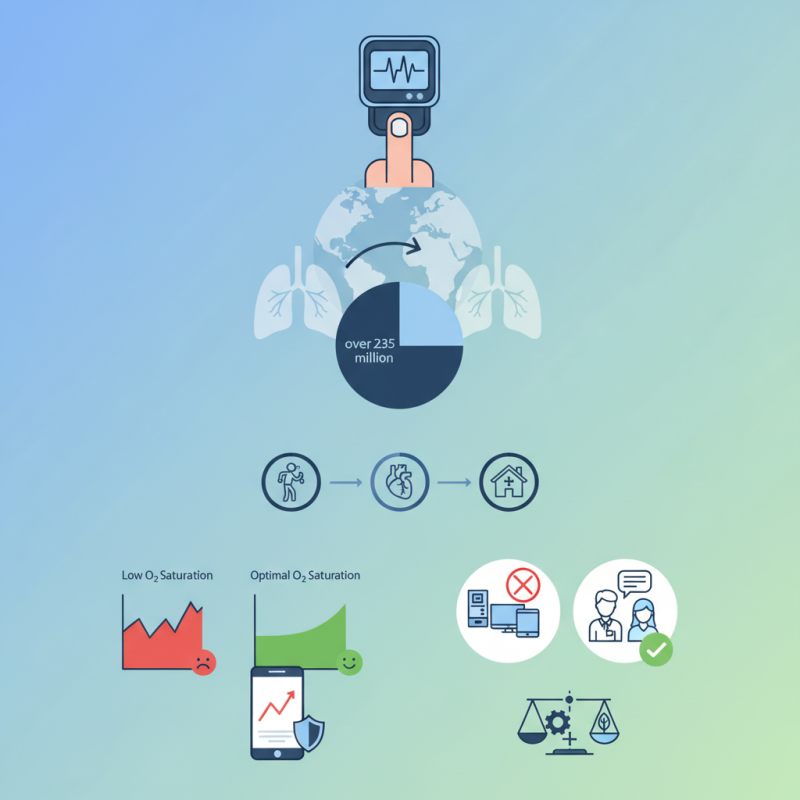
In today's health landscape, monitoring vital signs is crucial. An oxygen saturation monitor plays a vital role in assessing respiratory health. According to a report from the World Health Organization, over 235 million people suffer from asthma globally. Monitoring oxygen levels can significantly reduce complications associated with respiratory diseases.

Recent studies indicate that maintaining optimal oxygen saturation levels is essential for overall health. A study published in the American Journal of Respiratory and Critical Care Medicine highlights that low oxygen saturation can lead to severe outcomes. With effective use of an oxygen saturation monitor, individuals can track their oxygen levels easily at home. This empowers patients and promotes proactive healthcare management.

While technology offers many benefits, it's important to approach monitoring with caution. Overreliance on devices can lead to anxiety or misinterpretation of data. Therefore, understanding how to properly use an oxygen saturation monitor and consulting healthcare professionals are essential steps. The integration of these practices fosters a balanced approach to personal health management.
Why Use an Oxygen Saturation Monitor for Your Health Needs?

Understanding Oxygen Saturation and Its Importance for Health

Oxygen saturation is a key indicator of respiratory health. It reflects how well oxygen is being delivered to the body's tissues. Normal levels range from 95% to 100%. Maintaining optimal oxygen saturation is essential for overall wellness. Low levels can indicate underlying health issues, such as lung or heart diseases. In fact, according to the American Thoracic Society, chronic low oxygen levels can lead to serious complications.

Monitoring oxygen saturation can provide valuable insights into your health. For instance, studies show that individuals with chronic obstructive pulmonary disease (COPD) often experience oxygen saturation levels below 90%. If you suffer from respiratory conditions, regularly monitoring your levels can help you make informed decisions about your health.

**Tip:** Use an oxygen saturation monitor during exercise. This helps you ensure that your body gets enough oxygen.

Many people may underestimate the importance of oxygen saturation in their daily lives. Signs of low levels include fatigue, confusion, and shortness of breath. If you experience these symptoms, consider checking your saturation levels. Awareness can lead to proactive health measures.

**Tip:** Always consult a healthcare professional if you notice significant changes in your oxygen levels. They can provide guidance tailored to your needs.
Understanding Oxygen Saturation Levels

How Oxygen Saturation Monitors Work: A User-Friendly Overview

Why Use an Oxygen Saturation Monitor for Your Health Needs?

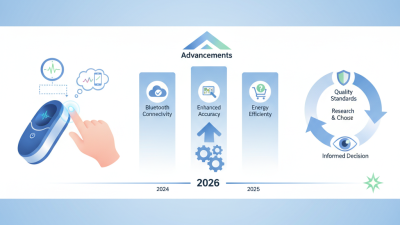
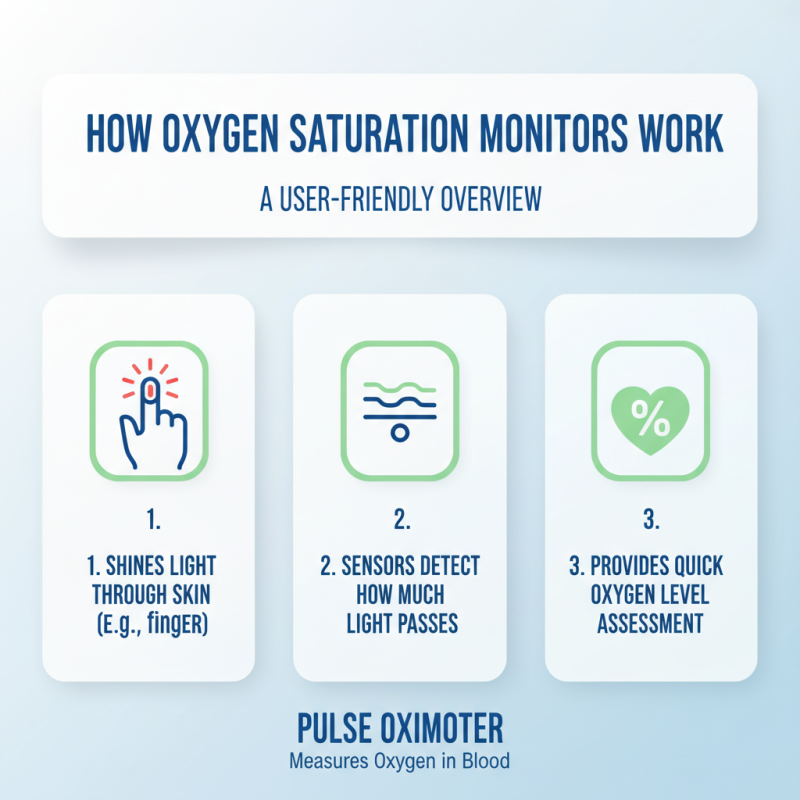
Oxygen saturation monitors, often called pulse oximeters, measure the oxygen levels in your blood. They work by shining a light through your skin. Sensors detect how much light passes through. This process provides a quick assessment of your oxygen saturation.

These devices are simple to use. You place your finger inside, and within seconds, you'll see your oxygen levels displayed. Normal readings range from 95% to 100%. If your levels drop below this, it can indicate potential health issues. Identifying low oxygen levels early is crucial, especially for patients with respiratory conditions.

While these monitors can be beneficial, they aren't infallible. Factors like poor circulation or nail polish can affect readings. Always take these into account when monitoring your health. Remember, any persistent concerns about oxygen levels should lead you to consult a healthcare professional. Using an oxygen saturation monitor adds an extra layer of awareness to your health, but it should complement, not replace, traditional medical advice.

Benefits of Monitoring Oxygen Saturation for Different Health Conditions

Monitoring oxygen saturation can significantly impact various health conditions. Individuals with respiratory issues often experience low oxygen levels, leading to fatigue and confusion. Regular use of an oxygen saturation monitor helps track these levels. This proactive approach allows patients to adjust their oxygen intake as needed.

Heart disease patients benefit from oxygen monitoring as well. Reduced oxygen saturation can indicate heart problems. Awareness of these changes allows for early intervention, potentially preventing severe complications. It's essential for these patients to understand the importance of maintaining optimal saturation levels.

In physical therapy and rehabilitation, oxygen saturation is crucial. It informs therapists about a patient’s performance and stamina. Monitoring can highlight when a patient is overexerting themselves. This is critical for preventing injuries and ensuring safe recovery. However, reliance on technology can lead to complacency. Users must remember to combine data with their physical sensations.

Who Should Consider Using an Oxygen Saturation Monitor?

An oxygen saturation monitor is not just a gadget; it’s a vital tool for various groups of people. Individuals with respiratory conditions, such as asthma, COPD, or pneumonia, should consider using one. These conditions can affect oxygen levels. Monitoring these levels can help detect problems early. Timely intervention can prevent serious health issues.

Athletes may also benefit from an oxygen saturation monitor. During intense training, they need to ensure their oxygen levels remain optimal. This device helps them understand their body's response to physical exertion. However, reliance on technology can sometimes lead to overconfidence. It is essential to interpret the data correctly and not overlook other symptoms.

Even those with no apparent health issues might find value in using an oxygen saturation monitor. It can provide peace of mind and awareness about one’s health status. Yet, accuracy can vary based on the environment and the device itself. It’s crucial to view the readings as a part of a broader health picture, not the sole indicator.

Tips for Choosing the Right Oxygen Saturation Monitor for Your Needs

Why Use an Oxygen Saturation Monitor for Your Health Needs?

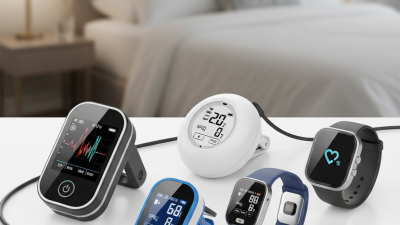
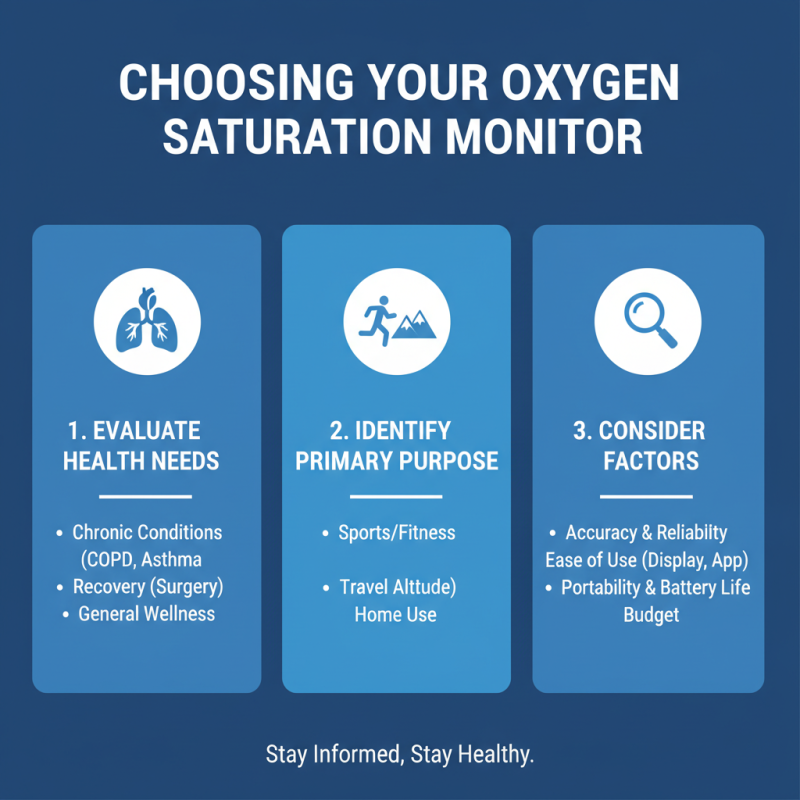
Choosing an oxygen saturation monitor can be straightforward, but some factors require careful thought. Begin by evaluating your specific health needs. Are you managing a chronic condition? Do you need it for sports or travel? Identifying your primary purpose will guide your selection.

Consider the monitor's accuracy and reliability. Look for devices with clinical validation. User-friendly features are also essential, especially if you plan on using it frequently. A simple interface can prevent mistakes during use. Battery life should not be overlooked either; some devices may need constant recharging, which may hinder their usability.

Think about portability. A lightweight device is easier to carry, making it handy for daily life. Comfort matters too; ensure that the finger clip fits well without causing discomfort. Remember, not all monitors are the same. Some may provide additional features that seem appealing but might complicate your experience. Reflect on what you genuinely need versus what looks attractive.