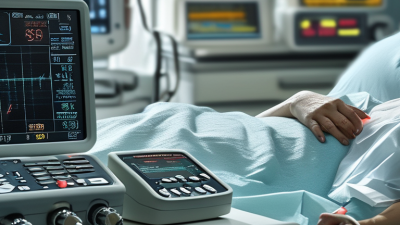
In 2026, selecting the best remote monitoring devices is more important than ever. With the global remote patient monitoring market projected to reach $2.4 billion by 2028, the need for effective solutions in healthcare is paramount. These devices have evolved, but quality varies significantly. Consumers often face confusion when choosing among numerous options.
Numerous studies indicate that effective remote monitoring can improve patient outcomes. For instance, a 2023 report showed that remote devices reduced hospital readmissions by 30%. However, many users struggle with device compatibility and data accuracy. This highlights a gap in consumer education regarding features and specifications.
When considering remote monitoring devices, it's crucial to evaluate their capabilities critically. Look for established brands that provide clear data security policies. Additionally, consider user reviews and professional endorsements. The right choice can lead to enhanced health management, while poor choices may lead to frustration. This nuanced approach is essential in navigating the complex landscape of remote monitoring technology.
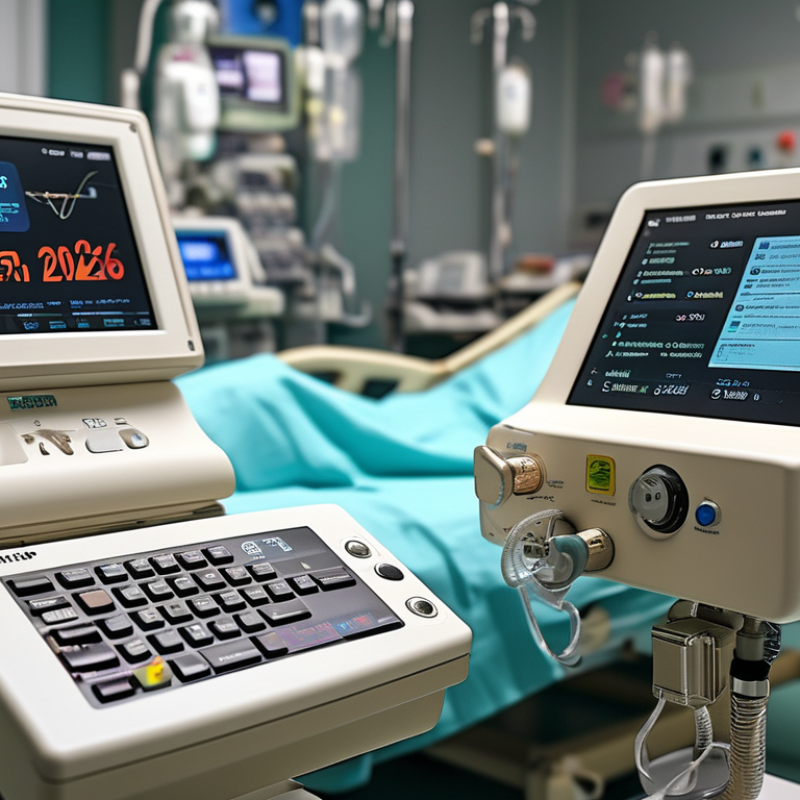
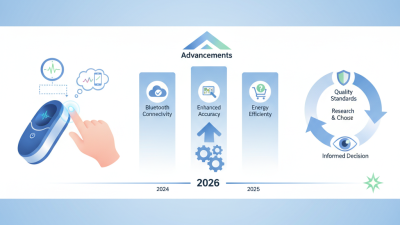
The landscape of remote monitoring technology has undergone significant changes by 2026. With advancements in
artificial intelligence and IoT, devices have become more intelligent and interconnected. According to a
recent industry report, approximately 70% of healthcare providers now use remote monitoring tools. This
represents a substantial increase from just two years prior. These tools help doctors track patient health
remotely, offering timely interventions and better outcomes.
Security remains a critical concern as technology evolves. The same report shows that 45% of users express
anxiety about data privacy. Devices must guarantee end-to-end encryption for sensitive health information.
With a lack of standardization, some devices pose potential risks. To choose the best device, users should
assess trusted certifications and ensure they comply with the latest health regulations.
Robust battery life and easy user interfaces are essential features. A survey indicated that 60% of users
abandon devices that lack user-friendly setups. These insights highlight the importance of usability. While
technology progresses, manufacturers must address these challenges. Continuous user feedback and adaptation
will drive improvements in remote monitoring technology.
When selecting remote monitoring devices, several key features demand attention. Sensor accuracy is paramount. According to a 2023 report by the Global Monitoring Association, inaccurate sensors can lead to a 30% increase in false alarms. Users may not trust alerts if data is inconsistent. Look for devices with proven calibration methods.
Connectivity is another critical aspect. Many devices rely on Wi-Fi or cellular networks. A recent study found that devices with stable connections report data 25% more reliably. Unstable connections can result in data loss at crucial moments, impacting user experience.
Battery life is frequently overlooked. Devices with longer battery life ensure uninterrupted monitoring. Research indicates that remote devices with extended battery capabilities experience a 40% lower failure rate. This reliability fosters user confidence and reduces maintenance concerns. However, balancing battery longevity with performance remains a challenge. Always weigh the trade-offs between these features based on individual needs and environments.
| Feature | Importance Level | Typical Price Range | User Experience Rating |
|---|---|---|---|
| Real-time Data Monitoring | High | $100 - $300 | 4.8/5 |
| User-friendly Interface | Moderate | $50 - $200 | 4.5/5 |
| Mobile App Connectivity | High | $150 - $400 | 4.7/5 |
| Data Security Features | Critical | $200 - $600 | 4.9/5 |
| Integration Capabilities | High | $100 - $350 | 4.6/5 |
| Battery Life | Moderate | $50 - $150 | 4.4/5 |
When evaluating remote monitoring devices, compatibility is crucial. A significant 65% of organizations report that interoperability impacts their choice of technology. In 2026, a device must integrate smoothly with existing systems to enhance operational efficiency. Seamless integration minimizes disruptions and fosters data sharing across platforms. Organizations should consider devices that support standard communication protocols.
Furthermore, the rapid evolution of technology can lead to incompatibility issues. According to a recent survey, 40% of IT managers face challenges due to outdated systems. Consider cloud-based solutions for scalability. These systems adapt more readily to upgrades. This flexibility is vital as organizations expand their monitoring capabilities. It reduces the risk of obsolescence and eases long-term planning.
However, achieving compatibility isn’t always straightforward. Some devices, while feature-rich, may not work with existing infrastructures. A holistic assessment of current systems is necessary. This includes reviewing data formats, connection types, and any legacy systems in use. Devices that promise advanced features could introduce complexities if they demand significant changes to current workflows. A careful approach is recommended to avoid frustrating obstacles in implementation.
When assessing remote monitoring devices, data security and privacy emerge as key factors. With increasing reliance on these technologies, incidents of data breaches have become more common. According to a recent cybersecurity report, 70% of organizations experienced at least one data breach in 2023. This underlines the need for robust security measures in any remote monitoring solution.
Choosing devices that comply with international data protection regulations is critical. Look for certifications such as ISO 27001 or GDPR compliance. These indicators suggest a commitment to safeguarding user data. Regular security updates are essential too. Analyze whether the manufacturer provides ongoing support to enhance security over time.
Tip: Always demand transparency from providers about how data is used and stored. Ensure there is a clear privacy policy outlining user rights.
Another consideration is the encryption used in data transmission. A study found that end-to-end encryption significantly reduces the likelihood of unauthorized access. Check if the device employs strong encryption methods. Weak encryption could compromise sensitive information.
Tip: Assess the ease of changing privacy settings. Complex settings can lead to misconfigurations, exposing data unintentionally. Regular evaluations of the device’s security features will keep data protected.
In the rapidly evolving landscape of remote monitoring devices, understanding costs and return on investment (ROI) is crucial. Research from the Global Market Insights report indicates that the remote monitoring market is projected to reach USD 4.1 billion by 2026, driven by advancements in IoT and AI technologies. This data reflects the growing importance of these devices in various sectors, including healthcare and environmental monitoring.
When evaluating costs, businesses must consider both initial investments and ongoing operational expenses. A report by Deloitte suggests that organizations could experience an average ROI of 250% within three years of implementing remote monitoring solutions. However, many users overlook hidden costs, like maintenance and training. Moreover, while initial savings may seem appealing, neglecting these factors can lead to unexpected expenses down the line.
Additionally, sector-specific factors play a pivotal role in ROI. In healthcare, for example, remote monitoring can reduce hospital readmission rates by up to 20%. Yet, not every monitoring device offers the same benefits. A thorough comparison of costs versus expected service improvements is essential. The results can be uneven. Some devices may provide outstanding ROI, while others may fall short, making careful evaluation a necessity.