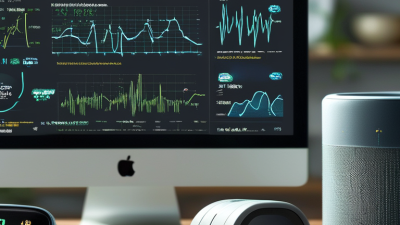
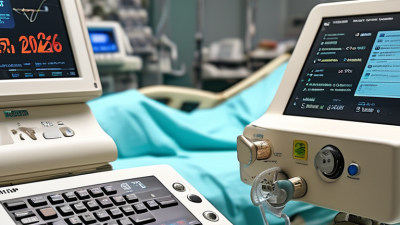
Pulse oximeter readings are crucial in monitoring a person's oxygen levels. Dr. Sarah Thompson, a leading expert in respiratory medicine, emphasizes, "Accurate readings can be the difference between life and death." Understanding what affects these readings is essential for both patients and healthcare providers.
Factors like skin tone, nail polish, and movement can impact the accuracy of pulse oximeter readings. For instance, darker skin tones may yield different results than lighter ones. Additionally, cold fingers can decrease blood flow, leading to lower readings. These nuances highlight the importance of considering various conditions when interpreting data.
Pulse oximeter readings cannot be taken at face value. Awareness of possible inaccuracies is vital for effective health monitoring. It is not uncommon for readings to mislead users, especially under unusual circumstances. Therefore, continued education and reliable information on interpreting these readings are indispensable for proper healthcare management.
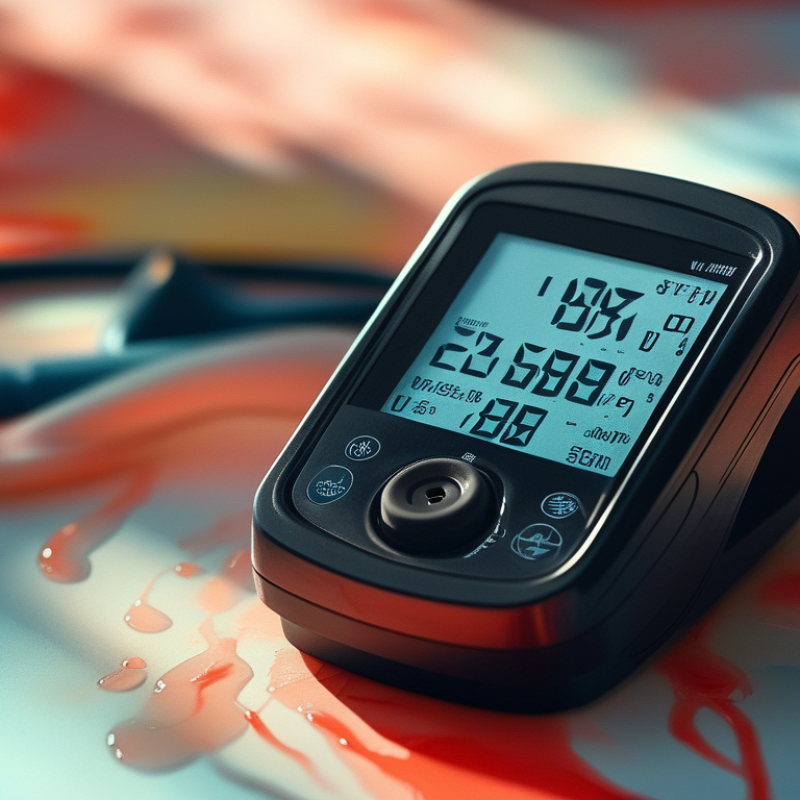
Pulse oximeter readings can be affected by various factors. Skin pigmentation is one such factor. Darker skin may absorb more light. This can lead to lower SpO2 readings. It's essential to recognize this possibility. It doesn't mean the device is faulty, but rather that readings may vary.
Motion is another crucial element. If a patient is restless or moving, the accuracy of readings takes a hit. Inconsistent readings can lead to confusion. It's important to ensure the patient remains still for reliable results. Ambient light can also interfere. Strong lighting may lead to misinterpretation of the device's output.
Other factors include nail polish and artificial nails. These can obstruct the sensor's ability to detect blood oxygen levels accurately. Some individuals may experience physiological variations. Conditions like anemia or carbon monoxide exposure can skew results. Awareness of these influences is vital for proper interpretation. It highlights the need for contextual understanding when utilizing this device.
This chart illustrates how different factors can influence pulse oximeter accuracy and readings. The data represents common influences like skin pigmentation, motion artifacts, body temperature, and peripheral circulation.
Pulse oximeters play a crucial role in monitoring patient health. They measure blood oxygen saturation levels non-invasively. The device uses light absorption to evaluate oxygen levels in arterial blood. This technology relies on sensors placed on the skin, often on a fingertip. Variations in blood flow and skin pigmentation can lead to inaccurate readings.
Understanding the technology is essential for proper interpretation. Pulse oximeters emit red and infrared light. Hemoglobin absorbs these lights differently based on whether it is oxygenated. Thus, it can calculate the percentage of oxygen in the blood. However, factors like temperature and motion can affect accuracy. Cold fingers or significant movement may lead to misleading results.
Despite their convenience, limitations exist. They may misrepresent hypoxia in some patients. Additionally, certain medical conditions can skew readings. Reflecting on these aspects is vital for effective use. Educating oneself on the limits of this technology leads to better health outcomes. Knowledge empowers users to make informed decisions about their health and seek professional advice when necessary.
Pulse oximeters are vital tools for monitoring oxygen levels in the blood. However, several common conditions can significantly affect their performance. Conditions such as cold extremities, dark skin pigmentation, and even nail polish can lead to inaccurate readings. When your hands or feet are cold, blood flow can decrease. This results in lower readings that do not accurately reflect oxygen saturation levels.
Additionally, certain medical conditions can impact pulse oximeter effectiveness. For instance, individuals with anemia may have lower hemoglobin levels. This can make it challenging for the device to register accurate oxygen saturation. Similarly, respiratory diseases like chronic obstructive pulmonary disease (COPD) can change how oxygen is carried in the blood. It’s essential to be aware of these factors to interpret readings correctly.
Sometimes, we may rely too heavily on the device without considering these influencing factors. It's worth reflecting on the circumstances when readings appear skewed. Understanding the limitations of pulse oximeters empowers users to seek further medical advice when necessary. Consider other symptoms and consult healthcare professionals if oxygen levels seem unusually low. This holistic approach ensures better health monitoring and management.
Using a pulse oximeter accurately is important for reliable readings. Here are some essential considerations for users.
Ensure your finger is clean and dry before using the device. Moisture or dirt can interfere with the sensor. A light nail polish may also block the sensor's ability to read the oxygen level. If possible, remove any polish for accurate results. When placing your finger in the device, keep it still. Movement can cause fluctuations in the readings and lead to confusion.
Consider your environment. Excessive cold can constrict blood vessels, affecting the accuracy. Make sure you are seated comfortably, preferably in a warm space. It helps in obtaining precise measurements. Knowing these tips can greatly enhance the reliability of your pulse oximeter readings.
Pulse oximeters are valuable tools for monitoring oxygen levels. Understanding what these readings mean for your health is crucial. Generally, a normal reading ranges from 95% to 100%. Levels below 90% may indicate a lack of adequate oxygen in your bloodstream. It's important to interpret these levels within the context of your overall health.
Factors such as poor circulation or skin pigmentation may affect accuracy. Certain nail polishes can also lead to misleading readings. It’s essential to ensure proper placement on a finger or earlobe for best results. Consider environmental influences, too; altitude can lower your readings.
Interpreting these numbers requires a keen eye and an understanding of personal health conditions. Sudden drops can signal a need for medical attention. Regular monitoring allows individuals to track changes over time. However, being overly reliant on one device can lead to anxiety. Balance your readings with other health indicators for a complete picture.